If you have been wondering about chia seeds in Marathi, you are not alone. These tiny black seeds have become popular in Indian kitchens over the last decade, but many Marathi-speaking families still ask the same question at the local grocery store: “ह्या बिया काय आहेत?” This article will tell you exactly what chia seeds are called in Marathi, why they matter for your health, and how to use them in everyday Maharashtrian meals without turning your kitchen upside down.
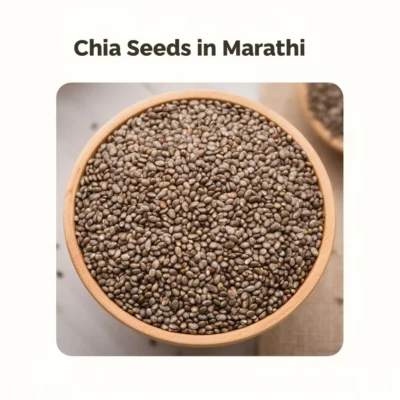
Quick Answer: Chia seeds are commonly called चिया बिया (chiya biya) in Marathi. Some people also refer to them as सब्जा बिया (sabja biya) , but sabja and chia are actually two different seeds from the same plant family. Chia seeds are a nutrient-dense superfood rich in omega-3 fatty acids, fiber, protein, and calcium.
What Are Chia Seeds Called in Marathi?
The most accurate and widely used term for chia seeds in Marathi is चिया बिया. You will hear this at grocery stores in Pune, Mumbai, Nashik, and Nagpur. Since chia seeds are not native to Maharashtra, there is no traditional Marathi name for them. The word “chia” comes from the Mayan language of Central America, where the plant Salvia hispanica has been cultivated for thousands of years.
Many people confuse chia seeds with सब्जा बिया (sabja biya) , which are basil seeds used in falooda and lemonade. This confusion is understandable because both seeds swell up and form a gel when soaked in water. But they are different plants with different nutritional profiles. Chia seeds come from the chia plant, while sabja seeds come from sweet basil.
Here is a quick comparison:
| Feature | Chia Seeds (चिया बिया) | Sabja Seeds (सब्जा बिया) |
|---|---|---|
| Source plant | Salvia hispanica | Ocimum basilicum (sweet basil) |
| Color | Black, white, or gray | Jet black only |
| Soaking time | 30 minutes to 2 hours | 10-15 minutes |
| Omega-3 content | Very high | Minimal |
| Fiber content | ~34 grams per 100g | ~22 grams per 100g |
| Common use in India | Smoothies, puddings, roti dough | Falooda, sherbet, lemonade |
Pro Tip: When buying chia seeds in a Marathi-speaking region, always check the packet label. If it says “sabja” or “तुळशीच्या बिया,” you are getting basil seeds, not chia seeds. Look specifically for “chia seeds” or “चिया बिया” on the packaging.
Nutritional Profile: Why Chia Seeds Deserve a Place in Your Kitchen
Chia seeds pack an unusual amount of nutrition into a very small package. A single serving of about 2 tablespoons (28 grams) delivers a remarkable range of nutrients. The USDA FoodData Central database lists chia seeds as containing approximately 4.9 grams of omega-3 fatty acids per ounce, which is higher than salmon on a gram-for-gram basis.
Here is what you get from one serving:
- Fiber: About 10 grams, which is roughly one-third of the daily recommended intake for adults
- Protein: About 4.7 grams, including all nine essential amino acids
- Calcium: About 177 mg, more than what you get from a glass of milk
- Magnesium: About 95 mg, supporting muscle and nerve function
- Phosphorus: About 265 mg, important for bone health
- Antioxidants: High levels of chlorogenic acid, caffeic acid, and quercetin
For Marathi households where vegetarian diets are common, chia seeds offer something valuable: a plant-based source of omega-3s that does not require fish or fish oil supplements. The Harvard T.H. Chan School of Public Health notes that alpha-linolenic acid (ALA), the type of omega-3 found in chia seeds, supports heart health and may help reduce inflammation.
The fiber content deserves special attention. Most Indian diets, especially those heavy in refined wheat flour and white rice, fall short on daily fiber. Adding just one tablespoon of chia seeds to your morning poha or upma can add about 5 grams of fiber without changing the taste.
How to Use Chia Seeds in Traditional Marathi Meals
You do not need to make fancy smoothie bowls or imported superfood recipes to benefit from chia seeds. They blend surprisingly well into Maharashtrian cooking.
In Your Morning Routine
The easiest way to start is with your existing breakfast. Sprinkle a teaspoon of dry chia seeds over poha, upma, or sheera right before serving. The seeds add a subtle crunch and do not interfere with the flavors of curry leaves, mustard seeds, or turmeric.
For a more substantial option, soak one tablespoon of chia seeds in half a cup of water or milk for 30 minutes. The resulting gel can be stirred into:
- Dahi (curd) with a pinch of jeera powder and black salt
- Buttermilk (taak) with grated ginger and coriander
- Amla juice or fresh lime water
In Roti and Bhakri Dough
This is a trick many Maharashtrian home cooks have adopted. Add 2 tablespoons of ground chia seeds to your regular jowar (sorghum) or bajra (pearl millet) flour when making bhakri. The seeds absorb moisture and help bind the dough, which makes rolling easier. They also add calcium and protein to what is otherwise a carbohydrate-heavy flatbread.
Pro Tip: Grind chia seeds in a dry mixer jar before adding them to bhakri or roti dough. Whole seeds can make the dough sticky and difficult to roll. Ground seeds disappear into the flour and do not change the texture.
As an Egg Substitute in Maharashtrian Snacks
If you bake or make snacks like thalipeeth or sabudana vada at home, chia gel works as an egg substitute. Mix 1 tablespoon of chia seeds with 3 tablespoons of water and let it sit for 15 minutes. This gel replaces one egg in most recipes. It works especially well in baked goods and helps bind ingredients in cutlets and tikkis.
Chia Seeds for Weight Loss: What the Research Actually Says
Weight loss is one of the most common reasons people search for chia seeds in Marathi. The logic seems simple: chia seeds expand in water, so they fill your stomach and reduce hunger. There is some truth to this, but the evidence is more nuanced than many online articles suggest.
A study published in the journal Nutrition, Metabolism and Cardiovascular Diseases looked at overweight adults with type 2 diabetes. Participants who added chia seeds to their diet lost more weight over six months compared to those who did not. The chia group also showed improvements in blood sugar control. This is one of the few well-designed human studies on chia seeds and weight, and the results are encouraging but modest.
The mechanism is straightforward. Chia seeds absorb up to 10-12 times their weight in water. When you eat soaked chia seeds, they form a gel in your stomach that slows digestion and keeps you feeling full longer. This naturally reduces calorie intake without requiring willpower or strict dieting.
But here is the important caveat: chia seeds are not a magic bullet. They work best as part of an overall eating pattern that includes:
- Portion control on rice and chapati
- Regular consumption of dal, vegetables, and salad
- Reduced intake of fried snacks like chakli and shev
- Consistent physical activity
Pro Tip: If your goal is appetite control, always soak chia seeds before eating them. Dry chia seeds pass through your digestive system largely intact and provide fewer benefits. Soaked chia seeds form the gel that promotes fullness.
Potential Side Effects and Who Should Avoid Chia Seeds
Chia seeds are safe for most people, but they are not for everyone. Some specific cautions apply.
Digestive Discomfort
Because chia seeds are extremely high in fiber, eating too much too quickly can cause bloating, gas, and stomach cramps. Start with 1 teaspoon per day and gradually increase to 1-2 tablespoons over two weeks. Drink plenty of water throughout the day, since fiber without water can worsen constipation rather than improve it.
Medication Interactions
Chia seeds can thin the blood slightly due to their omega-3 content. If you take blood-thinning medications like warfarin or aspirin, talk to your doctor before adding chia seeds to your daily diet. The same applies if you are scheduled for surgery in the near future.
Swallowing Risk
Dry chia seeds absorb water rapidly. Eating a large spoonful of dry seeds followed immediately by water can theoretically cause the seeds to swell in your esophagus and create a blockage. This is rare, but it is a real risk. Always soak chia seeds for at least 10-15 minutes before consuming them, or sprinkle them onto moist foods like curd or porridge where they have time to absorb liquid.
Allergies
Chia seed allergies are uncommon but documented. If you have allergies to sesame seeds, mustard seeds, or other members of the mint family, exercise caution when trying chia seeds for the first time.
Where to Buy Chia Seeds in Maharashtra
Chia seeds are now widely available across Maharashtra. You will find them in:
- Supermarkets like D-Mart, Reliance Fresh, and Star Bazaar in the health food or organic section
- Online platforms like Amazon India, BigBasket, and Flipkart, where brands like True Elements, Organic India, and Neuherbs sell chia seeds
- Local kirana stores in larger cities like Pune and Mumbai, especially those that stock imported or health-focused products
- Organic stores and farmer markets, where you may find locally sourced or certified organic options
Prices vary, but a 200-gram pack typically costs between ₹150 and ₹350 depending on the brand and whether it is organic. Store chia seeds in an airtight container in a cool, dry place. They remain fresh for up to two years when stored properly, unlike flax seeds which go rancid quickly.
Key Takeaways
- Chia seeds in Marathi are called चिया बिया, and they are different from sabja seeds despite their similar appearance when soaked
- One serving of chia seeds provides about 10 grams of fiber, 4.7 grams of protein, and more calcium than a glass of milk
- Chia seeds blend easily into Maharashtrian staples like poha, bhakri dough, dahi, and buttermilk
- Research shows chia seeds can support weight loss when combined with a balanced diet, primarily through their appetite-suppressing gel formation
- Start with 1 teaspoon daily, always soak before eating, and consult a doctor if you take blood thinners
Frequently Asked Questions
Q: What is the exact Marathi name for chia seeds?
A: The most common Marathi name for chia seeds is चिया बिया (chiya biya). Some shops also label them as “chia seeds” in English on the packet. They are not the same as सब्जा (sabja) , which refers to basil seeds.
Q: Are chia seeds and sabja seeds the same?
A: No. Chia seeds come from the Salvia hispanica plant, while sabja seeds come from sweet basil. They look similar when soaked but have different nutritional profiles. Chia seeds contain significantly more omega-3 fatty acids and fiber than sabja seeds.
Q: How do I eat chia seeds for weight loss?
A: Soak 1-2 tablespoons of chia seeds in a glass of water for 30 minutes. Drink this mixture 20-30 minutes before your meals. The gel fills your stomach and reduces hunger. Combine this with portion control and regular exercise for best results.
Q: Can I eat chia seeds during pregnancy?
A: Chia seeds are generally considered safe during pregnancy and provide calcium, protein, and omega-3s that support fetal development. However, always consult your gynecologist before adding any new supplement or superfood to your pregnancy diet.
Q: How much chia seeds should I eat per day?
A: Most nutritionists recommend 1-2 tablespoons (15-30 grams) per day. Start with 1 teaspoon daily and increase gradually over two weeks to allow your digestive system to adjust to the high fiber content.
Q: Can chia seeds be eaten raw?
A: Yes, chia seeds can be eaten raw, but they should be consumed with adequate liquid. Dry chia seeds can swell in the throat and cause choking. Soaking them for 10-15 minutes before eating is the safest and most beneficial method.
Q: Do chia seeds help with diabetes?
A: Research published in Nutrition, Metabolism and Cardiovascular Diseases found that chia seeds helped improve blood sugar control in overweight adults with type 2 diabetes. The high fiber content slows carbohydrate absorption and reduces blood sugar spikes after meals.
Q: Can I add chia seeds to my child’s food?
A: Yes, chia seeds are safe for children above the age of 1-2 years. Start with a small amount like half a teaspoon mixed into porridge, curd, or fruit puree. The omega-3s and calcium support brain and bone development in growing children.
References & Further Reading
- USDA FoodData Central: Chia Seeds Nutritional Profile – https://fdc.nal.usda.gov
- Harvard T.H. Chan School of Public Health: The Nutrition Source on Chia Seeds – https://www.hsph.harvard.edu/nutritionsource
- Vuksan V, et al. “Supplementation of conventional therapy with the novel grain Salba (Salvia hispanica L.) improves major and emerging cardiovascular risk factors in type 2 diabetes.” Nutrition, Metabolism and Cardiovascular Diseases, 2007.
- National Institutes of Health Office of Dietary Supplements: Omega-3 Fatty Acids Fact Sheet – https://ods.od.nih.gov
—
About This Article: This guide was researched and written by a content strategist specializing in Indian nutrition and regional dietary practices. The information draws from peer-reviewed studies, USDA nutritional databases, and established public health resources. It reflects common usage patterns in Marathi-speaking communities across Maharashtra and is intended for educational purposes. Always consult a qualified healthcare provider before making significant dietary changes, especially if you have existing health conditions or take medication.